Welcome to Engaging Minds, the official blog of Evaluation Spark. Explore insightful articles, expert tips, and innovative strategies on transforming education through gamification. Our mission is to help educators enhance student engagement, motivation, and academic success by integrating interactive and fun learning experiences into the classroom.
Why Knowlege Showdown Is the Perfect Review Tool for Modern Classrooms
Introduction to Evolution Sparks New Knowledge Showdown Game
Since its inception, Evolution Sparks has been at the forefront of educational innovation, continually developing tools that transform traditional learning environments. One of our standout offerings, the New Knowledge Showdown Game, has quickly become a favourite among educators aiming to make learning both engaging and effective. This dynamic game leverages the principles of gamification to create an interactive and competitive platform that fosters deep learning and collaboration in modern classrooms.
The essence of the New Knowledge Showdown Game lies in its structure, which emphasizes quick thinking, knowledge recall, and strategic teamwork. These elements seamlessly integrate into the educational setting, allowing students to engage with the subject matter in an exciting and competitive manner. The game facilitates the reinforcement of knowledge across a wide range of subjects, from biology to history, making it a versatile tool for review sessions. Its adaptability enables educators to customize questions to align with specific curriculum requirements, ensuring that the game supports the intended learning objectives.
Additionally, the collaborative nature of the New Knowledge Showdown Game promotes an inclusive environment where students can work in teams, encouraging peer interaction and camaraderie. The game enhances critical thinking and problem-solving skills while minimizing the stress often associated with traditional assessments. This informal setting fosters active participation, allowing students to demonstrate their knowledge in a low-pressure atmosphere. As a result, the New Knowledge Showdown Game has gained popularity as an effective review tool, enriching the educational experience and boosting student motivation.
Overall, the historical significance of Evolution Sparks as an educational innovator and the successful adaptation of the New Knowledge Showdown Game illustrates its potential to invigorate learning in contemporary classrooms. As educators continue to seek innovative methods to engage students, the New Knowledge Showdown Game remains a relevant and powerful resource for both teaching and review.
Enhanced Student Engagement
In today’s educational landscape, engaging students is crucial for effective learning. The New Knowledge Showdown Game serves as an innovative solution to elevate student involvement during review sessions. Unlike traditional review techniques that rely on static quizzes or lectures, our Showdown game introduces an interactive format that captures students’ attention and fosters a dynamic learning environment.
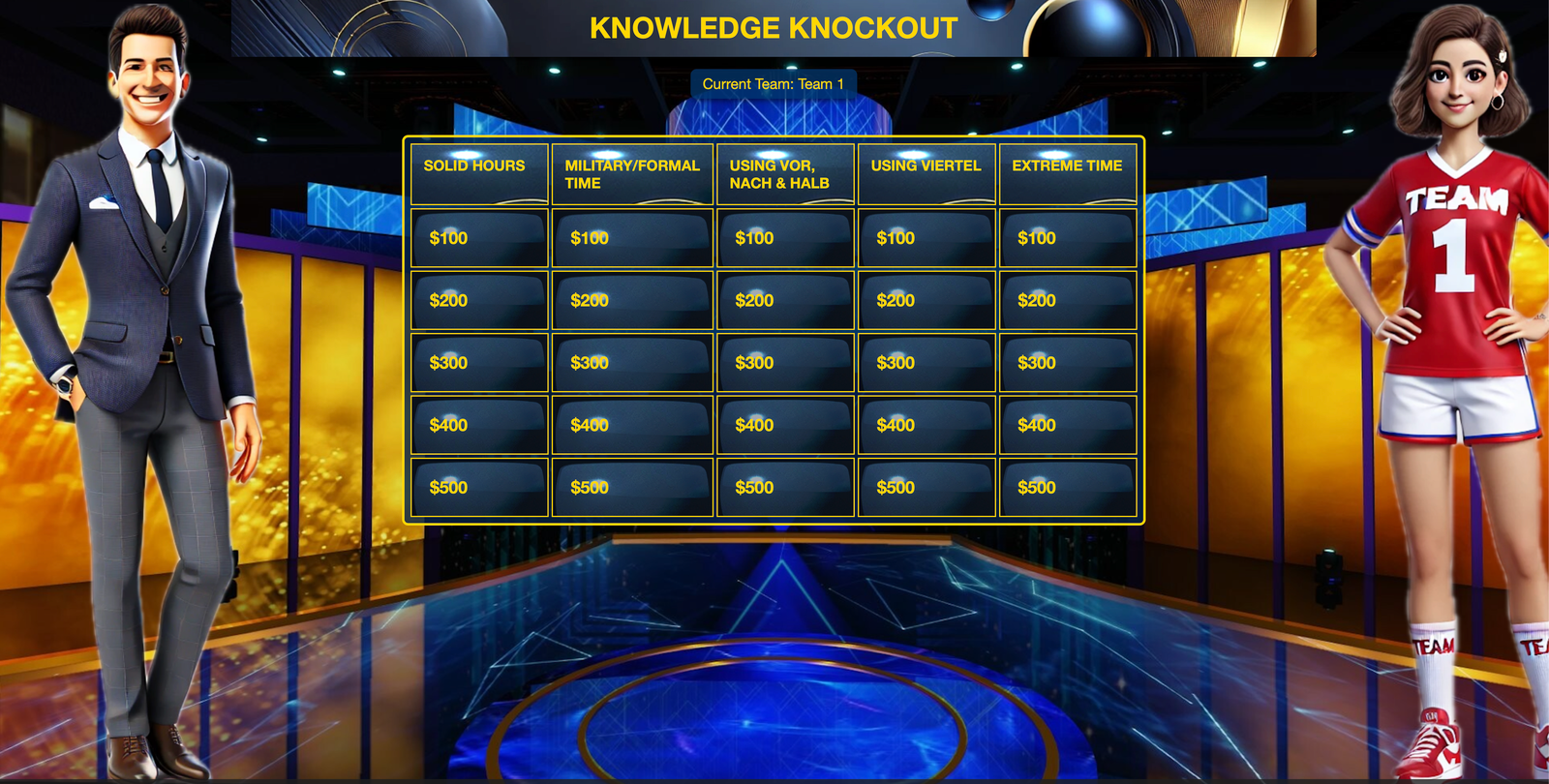
The competitive nature of the New Knowledge Showdown Game encourages participation from all students, creating a level playing field where every participant can contribute. As learners take turns selecting categories and answering questions, the gameplay naturally promotes collaboration and active engagement. This structured format not only motivates students to participate but also helps cultivate a collaborative classroom culture where peers support one another in their learning journeys.
Moreover, the Showdown game effectively addresses diverse learning styles. Visual learners benefit from seeing questions displayed on a board, while auditory learners engage through listening to team members discuss and deliberate. Kinesthetic learners thrive in a lively environment where they can express ideas physically and interact with peers. By incorporating these varied modalities, the New Knowledge Showdown Game fosters a comprehensive understanding of the material across different learner types.
The game’s flexibility in content delivery further enhances its effectiveness as a review tool. Educators can tailor questions to suit the subject matter, incorporating critical concepts, vocabulary, and analytical thinking prompts. This adaptability not only aligns with curriculum standards but also keeps students intellectually challenged, paving the way for deeper comprehension.
Ultimately, by transforming the review process into a collaborative and engaging experience, the New Knowledge Showdown Game stands as an exceptional method to deepen students’ understanding and retention of material. The heightened engagement it promotes encourages students to take ownership of their learning while creating an enjoyable atmosphere conducive to academic success.
Improving Information Retention
In contemporary educational settings, the integration of gamification strategies, such as those found in the New Knowledge Showdown Game, has garnered significant attention from both educators and cognitive scientists. Research demonstrates that competitive, game-based learning environments enhance information retention among students. The fundamental principles of cognitive science indicate that when learners engage in competitive activities, their motivation increases, creating a dynamic that fosters deeper cognitive processing of the material presented.
The New Knowledge Showdown Game encourages active participation, a key element in promoting long-term memory retention. When students participate in such games, they are not merely passively absorbing information; they are actively recalling and applying knowledge. This active engagement leads to improved neural connections within the brain, making it easier for students to retrieve information during assessments. The immediate feedback provided by the game format allows learners to evaluate their understanding and make necessary adjustments, reinforcing their learning experience.
The competitive nature of the Showdown game also introduces an element of excitement and engagement that traditional review methods may lack. As students are incentivized to outperform their peers, they often invest greater effort into studying the material, which positively correlates with retention. Moreover, the social aspect of teamwork in gameplay fosters collaboration and discussion among peers, further solidifying their grasp of content through shared learning experiences. These interactions not only provide immediate social reinforcement but also build a sense of community in the classroom.
In summary, incorporating the New Knowledge Showdown Game as a review tool leverages cognitive science findings on gamification, enhancing memory retention through active engagement, competition, and collaborative learning. This approach not only helps students recall information more effectively but also instills a sense of enthusiasm toward learning, making it a valuable asset in modern classrooms.
Promoting Healthy Competition
In educational settings, competition can serve as a powerful catalyst for student engagement and motivation. When applied thoughtfully, it enhances learning experiences by creating an environment where students are driven to excel while also fostering camaraderie. The New Knowledge Showdown Game exemplifies this concept by offering a competitive format that encourages students to participate actively. The structure of the game promotes a sense of rivalry that is both exciting and productive, enabling learners to showcase their knowledge in a dynamic setting.
One of the primary advantages of healthy competition is its ability to motivate students to take their studies seriously. By integrating elements of friendly rivalry, the Showdown game instills a desire in students to prepare thoroughly and engage deeply with the material. The anticipation of competing against peers elevates focus and curiosity, leading to a more effective assimilation of concepts. Additionally, as students work together in teams, they are encouraged to support the strengths of their classmates, creating a collaborative atmosphere that enhances collective learning.
Furthermore, this spirit of competition can help cultivate resilience. In a traditional classroom setting, the fear of failure might inhibit participation; however, the Showdown game’s structure encourages students to view setbacks as opportunities for growth. As they navigate questions and strategize with teammates, they learn to appreciate the journey of learning rather than merely the outcomes. Consequently, they become more willing to take intellectual risks, fostering a classroom culture that values effort and improvement.
Ultimately, the New Knowledge Showdown Game’s unique ability to blend competition with collaboration makes it an exceptional tool in modern classrooms. By promoting healthy rivalry, it not only motivates students individually but also strengthens peer relationships, enhancing the overall educational experience.
Customizable for Any Subject
The New Knowledge Showdown Game, a flagship offering from Evolution Sparks, has established itself as an adaptable review tool suitable for various educational settings. Its versatility makes it applicable across a multitude of subjects, offering educators the opportunity to customize the game according to their specific curriculum needs. This customization feature allows teachers to create a dynamic learning environment where students can engage with the material in a fun, interactive manner.
One of the primary advantages of the Showdown game is its ability to tailor questions and categories to fit any subject matter. Educators can develop categories that reflect the key concepts of their lessons, whether they pertain to biology, mathematics, literature, history, or other disciplines. This flexibility ensures that the game remains relevant to the content being taught, thereby reinforcing learning objectives effectively. For instance, a biology teacher might include categories such as “Cell Structures,” “Genetics,” and “Ecological Systems,” while a literature instructor can create categories like “Classic Novels,” “Poetry Analysis,” and “Literary Devices.”
Moreover, the integration of diverse topics into a single game format can enhance collaborative learning among students. By allowing participants to compete in teams, the Showdown game encourages collective problem-solving and discussion, fostering a sense of camaraderie in the classroom. It also provides opportunities for students to explore interdisciplinary connections, as educators can mix subjects or introduce cross-curricular themes. This approach not only enriches students’ understanding but also promotes critical thinking and adaptability.
By implementing the New Knowledge Showdown Game as a customizable review tool, educators are not only making learning enjoyable but also ensuring that their students are better equipped to retain important information. As a result, this engaging game format promotes active participation, ultimately leading to improved academic performance across various subjects.
Incorporating Technology
The integration of technology into educational settings has revolutionized the way teachers engage with students and revamp traditional classroom activities. Among these advancements, the use of online platforms and applications to facilitate the New Knowledge Showdown Game has emerged as an effective and engaging review tool. Various digital resources enable educators to create customized Showdown games that align with their specific curricula, enhancing the learning experience.
One significant advantage of leveraging technology for the Showdown game is the ease of access for both educators and students. Tools like Quizizz, Kahoot!, or specialized Showdown game websites allow teachers to design, host, and share games seamlessly. These platforms offer user-friendly interfaces, making them accessible even for educators who may not be particularly tech-savvy. Consequently, teachers can dedicate more time to crafting thoughtful questions and categories that cater to their students’ learning objectives.
Moreover, the availability of these digital platforms lends itself to various instructional settings, including remote learning scenarios. During times when face-to-face engagement is limited, online platforms facilitate interactive gameplay, allowing students to participate from their own devices. This flexibility ensures that learners remain involved and motivated, regardless of their physical location. The option to play asynchronously also provides learners with the opportunity to engage with the material at their own pace, reinforcing their comprehension effectively.
Furthermore, incorporating technology into the Showdown game not only enhances the gameplay experience but also fosters collaboration among students. Features such as real-time scoring, leaderboards, and team-based formats encourage healthy competition and group dynamics. With the combination of technology and customizable game options, educators can create an environment that is both engaging and informative, making the New Knowledge Showdown Game a practical tool for modern classrooms. As technology continues to evolve, its role in educational trendsetting and student engagement will undoubtedly expand, further solidifying the Showdown game’s place in effective learning methodologies.
Encouraging Collaboration and Teamwork
In today’s educational landscape, the importance of collaboration and teamwork cannot be overstated. The New Knowledge Showdown Game, when utilized as a review tool, fosters a dynamic environment that not only reinforces academic concepts but also enhances social skills among students. By structuring Showdown games to promote group work, educators can cultivate an atmosphere where collective knowledge and problem-solving skills thrive.
When students participate in the Showdown game as teams, they are encouraged to engage with one another, share insights, and debate answers. This collaboration is essential in developing critical thinking abilities and communication skills. Students learn to articulate their thoughts effectively, listen to differing viewpoints, and build consensus within their teams. These interactions are instrumental in preparing them for real-world challenges where teamwork is a key component of success.
Moreover, team-based Showdown gameplay encourages students to leverage each other’s strengths. A group might have a member with strong knowledge in mathematics while another excels in history. By relying on their teammates, students not only deepen their learning experiences but also appreciate the value of diversity in skills and knowledge. The cooperative element of the game motivates students to actively contribute, fostering a sense of belonging and enhancing their overall learning experience.
Additionally, Showdown games can be structured to address various learning styles, allowing each team member to participate fully. Through collaboration, students can explore topics from different angles and reinforce their understanding of the subject matter through peer-to-peer interaction. This approach not only solidifies their academic knowledge but also helps in building the essential social skills needed in today’s interconnected world.
In conclusion, by incorporating team-based Showdown games into the classroom, educators can successfully promote collaboration and teamwork. This method not only enriches the learning experience but also prepares students for future endeavours where collaborative skills are increasingly vital.
Assessing Student Understanding
Utilizing the New Knowledge Showdown Game in an educational environment provides a dynamic and engaging format for formative assessment. This approach not only fosters a competitive spirit among students but also serves as an effective tool for educators to gauge their students’ understanding of the subject matter. The structure of the Showdown game, with its question-and-answer format, encourages students to critically think about the content and articulate their knowledge clearly and concisely.
As students participate in the game, educators can observe their responses to various categories and difficulty levels. This real-time interaction allows teachers to assess which concepts are well understood and which may require additional review. For example, a category about ecological systems may reveal that students excel in identifying key components but struggle with understanding their interactions. Such insights enable teachers to tailor their instruction to address specific needs, fostering a more personalized learning experience.
Moreover, the Showdown game’s competitive nature promotes collaboration and communication among students. Participants often discuss and debate potential answers, providing educators with further opportunities to assess the depth of understanding within small groups. This collaborative aspect not only aids in assessing comprehension but also cultivates critical thinking and teamwork skills essential for academic success.
Incorporating the Showdown game into the assessment process can also enhance student engagement. The game-like atmosphere reduces anxiety often associated with traditional assessments, allowing students to feel more comfortable demonstrating their knowledge. Consequently, this method not only aids in evaluating student understanding but also contributes to a more positive classroom environment.
Ultimately, utilizing the New Knowledge Showdown Game can effectively illuminate student comprehension levels, guiding educators in providing reinforcement where necessary while simultaneously creating an engaging and interactive learning experience.
Conclusion and Future Implications
Incorporating the New Knowledge Showdown Game within modern classrooms has proven to support engagement, knowledge retention, and collaborative learning among students. This game-based learning approach not only fosters a competitive spirit but also encourages teamwork, allowing students to learn from one another in a dynamic environment. As evidenced in various educational settings, gamification, as exemplified by the Showdown game, aligns well with contemporary educational strategies aimed at enhancing student motivation and involvement.
Furthermore, the adaptability of platforms like the Showdown game allows educators to customize game content to suit diverse learning objectives and curriculum standards, making it a versatile tool for a myriad of subjects. In the era of digital learning, the integration of such interactive review tools into the classroom is particularly timely, addressing students’ preferences for more engaging and enjoyable learning experiences. With the ongoing digitization and tech-savvy nature of today’s learners, leveraging such tools will likely become even more essential to effectively communicate knowledge and information.
Looking ahead, the potential for the New Knowledge Showdown Game and similar educational games to evolve further remains promising. Innovations in technology could enhance interactive features, allowing for the inclusion of multimedia elements such as videos, animations, and sound effects, thereby enriching the learning content. Additionally, incorporating artificial intelligence to personalize the learning experience based on individual student needs and performance can increase the effectiveness of these tools. This progressive trajectory could redefine the role of review tools, moving from simple assessments to comprehensive learning platforms.
As the trend of gamification in education continues to grow, it is clear that tools like the New Knowledge Showdown Game will have a significant place in driving enhanced educational outcomes, promoting not only knowledge recall but also a wider range of essential skills such as critical thinking, communication, and collaboration among students. Addressing these educational needs will undoubtedly lead to more holistic learning environments conducive to student success.
About Evolution Sparks
At Evolution Sparks, our mission is to revolutionize education through innovative gamification strategies that make learning engaging, interactive, and effective. Our New Knowledge Showdown Game is designed to empower educators with tools that enhance student participation, retention, and collaboration. Join us in transforming classrooms into vibrant learning communities where every student can thrive.
Stay Connected
Subscribe to our blog for the latest insights, tips, and strategies on gamified learning. Follow us on social media and visit our Teachers Pay Teachers store to explore our range of interactive educational games.
Call to Action
Ready to ignite your classroom with the New Knowledge Showdown Game? Explore our Teachers Pay Teachers store today and discover how gamified learning can transform your teaching experience and boost your students’ academic success!